Health & Fitness
Peloton Bike Review: The Studio Cycling Experience, Delivered to Your Spare Room, Tested by SAVEN
The Peloton Bike pairs a smooth, quiet, belt-driven ride with a huge library of live and on-demand classes — the hardware is excellent, but the experience lives and dies with its membership.
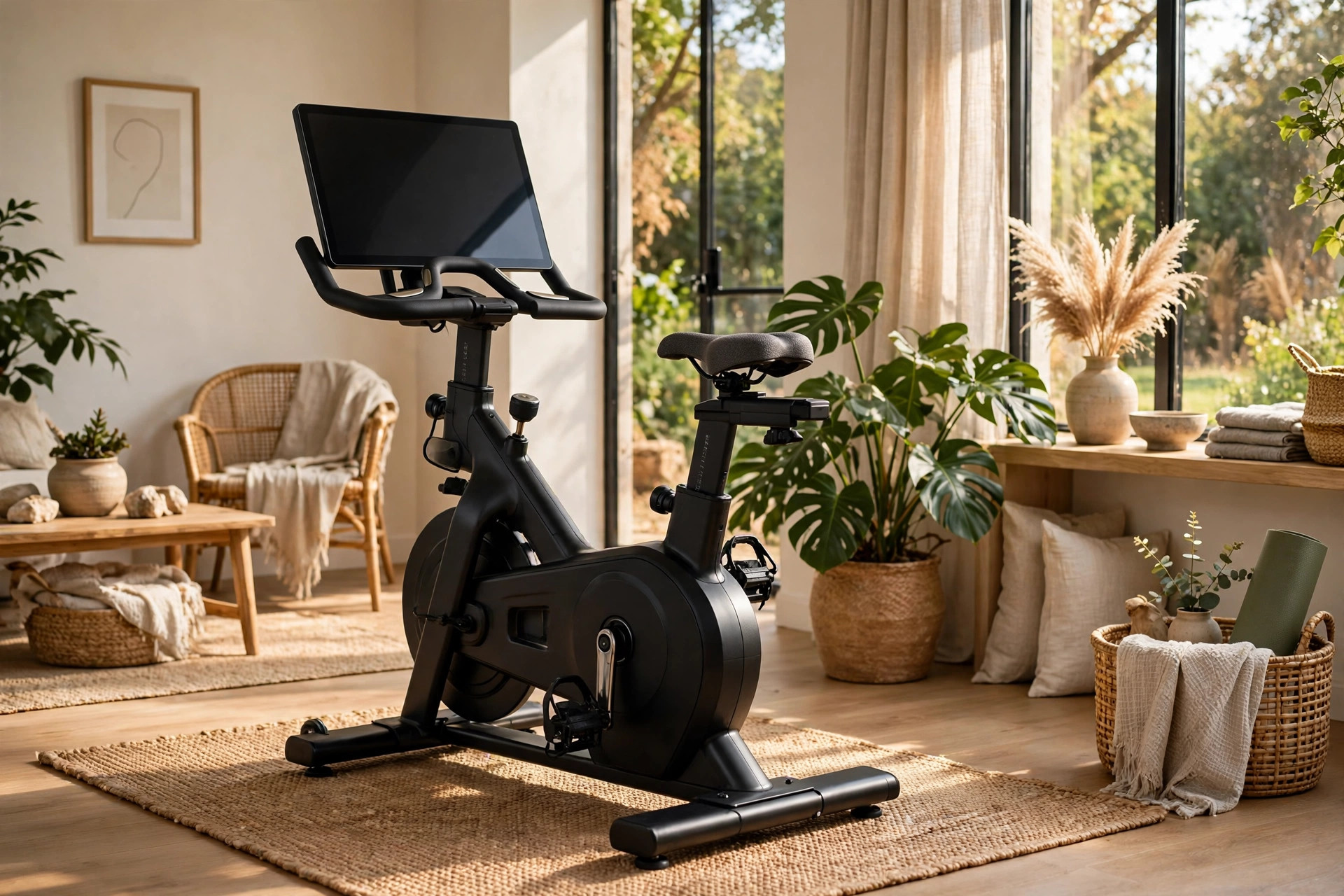
Peloton essentially created the connected-fitness category, and the original Bike remains its centerpiece. You get a sturdy steel frame, magnetic resistance, and a large touchscreen streaming classes filmed in its studios, from 20-minute low-impact rides to hour-long endurance sessions. The bike itself costs around $1,445, and the classes require a separate monthly membership on top of that. Whether it is worth it depends less on the hardware — which is genuinely good — than on whether instructor-led classes are what will keep you exercising.
Our Verdict
The Peloton Bike is a polished, motivating way to train at home: quiet and smooth to ride, with class quality and variety that are still the benchmark for connected cycling. Just go in with your eyes open about the ongoing membership cost, because without it, this is a very expensive basic exercise bike.
SAVEN Score: 4.6 / 5
Check Price1. Build Quality and Ride Feel
The Bike feels like studio equipment, because that is what it is modeled on. The frame is heavy welded steel that stays planted during out-of-the-saddle efforts, and the belt drive with magnetic resistance is smooth and nearly silent — you change resistance with a knob, and there is no chain noise or friction-pad wear to deal with. The ride feel is the highlight: fluid at low resistance for warm-ups and convincingly heavy when a class calls for a climb. It is also a substantial object at well over 100 pounds, so plan its spot carefully, ideally on a mat, and expect it to stay there. Assembly is typically handled at delivery, which suits a bike of this size.
2. The Screen and Class Library
The 21.5-inch HD touchscreen is where the membership earns its keep. Live classes run throughout the day if you like the energy of riding with thousands of others and chasing the on-screen leaderboard, and the on-demand library is enormous and searchable by length, music, instructor, and difficulty. Production quality is high, and the instructors are the real product — most owners end up with favorites they ride with for years. The library also extends well beyond cycling into strength, yoga, stretching, and meditation, all shown on the same screen. One limitation of this original model: the screen tilts but does not swivel, so floor workouts mean angling yourself toward the bike rather than turning the display.
3. Fit, Setup, and Footprint
Seat height, seat position, and handlebar height all adjust with simple levers and numbered settings, so two riders of different sizes can swap in seconds once they know their numbers. The bike is designed to fit riders roughly from 4 feet 11 inches to 6 feet 5 inches. Its footprint is compact for a bike — about 4 feet long by 2 feet wide, similar to a yoga mat — though you will want extra clearance behind and beside it for getting on and off and for off-bike workouts. The pedals use a road-style cleat system, so proper cycling shoes, sold separately, are effectively part of the setup cost, along with a floor mat if you ride on hardwood or carpet.
4. Membership and Long-Term Cost
This is the section to read twice. The classes, leaderboard, and most of the screen's value require a separate monthly membership that continues for as long as you want the full experience. Without an active membership, the bike still rides and offers only very basic functionality, which makes the membership less an optional extra than the actual product. Budget for the bike and the membership together over several years when you compare it with a gym membership or a simpler bike. The good news is that one membership covers the household, with individual profiles for each rider, and the class library keeps growing — committed riders who use it several times a week generally feel they get their money's worth.
What we like
- Smooth, quiet belt-driven ride
- Huge, high-quality class library
- Solid studio-grade build
What to consider
- Membership is a separate ongoing cost
- Screen tilts but does not swivel
- Heavy — best kept in one spot
Should You Buy the Peloton Bike?
Buy it if instructor-led classes are what motivate you and you will realistically ride several times a week — that is when the bike-plus-membership math beats a gym and the hardware quality shines. It is also a strong pick for households where two or more people will ride under one membership. Skip it if you prefer riding to your own music or videos, dislike subscriptions on principle, or suspect the novelty will fade in a few months; in that case a simpler bike will serve you just as well for far less money overall.
Frequently Asked Questions
Do I need the membership to use the Peloton Bike?
For the full experience, yes. Live and on-demand classes, the leaderboard, and performance tracking all require the separate monthly membership. Without it, the bike still pedals with adjustable resistance but the screen offers only basic functionality.
What shoes do I need for the Peloton Bike?
The pedals use a common road-cycling cleat system, so you will need cycling shoes fitted with compatible cleats. They are sold separately, so include a pair in your budget when you set up.
How much space does the Peloton Bike need?
The bike itself takes up roughly 4 feet by 2 feet — about the area of a yoga mat. Leave additional room around it for mounting, dismounting, and the off-bike strength and stretching classes in the library.