Auto & Travel
The 3 Best Travel Backpacks of 2026, Tested by SAVEN
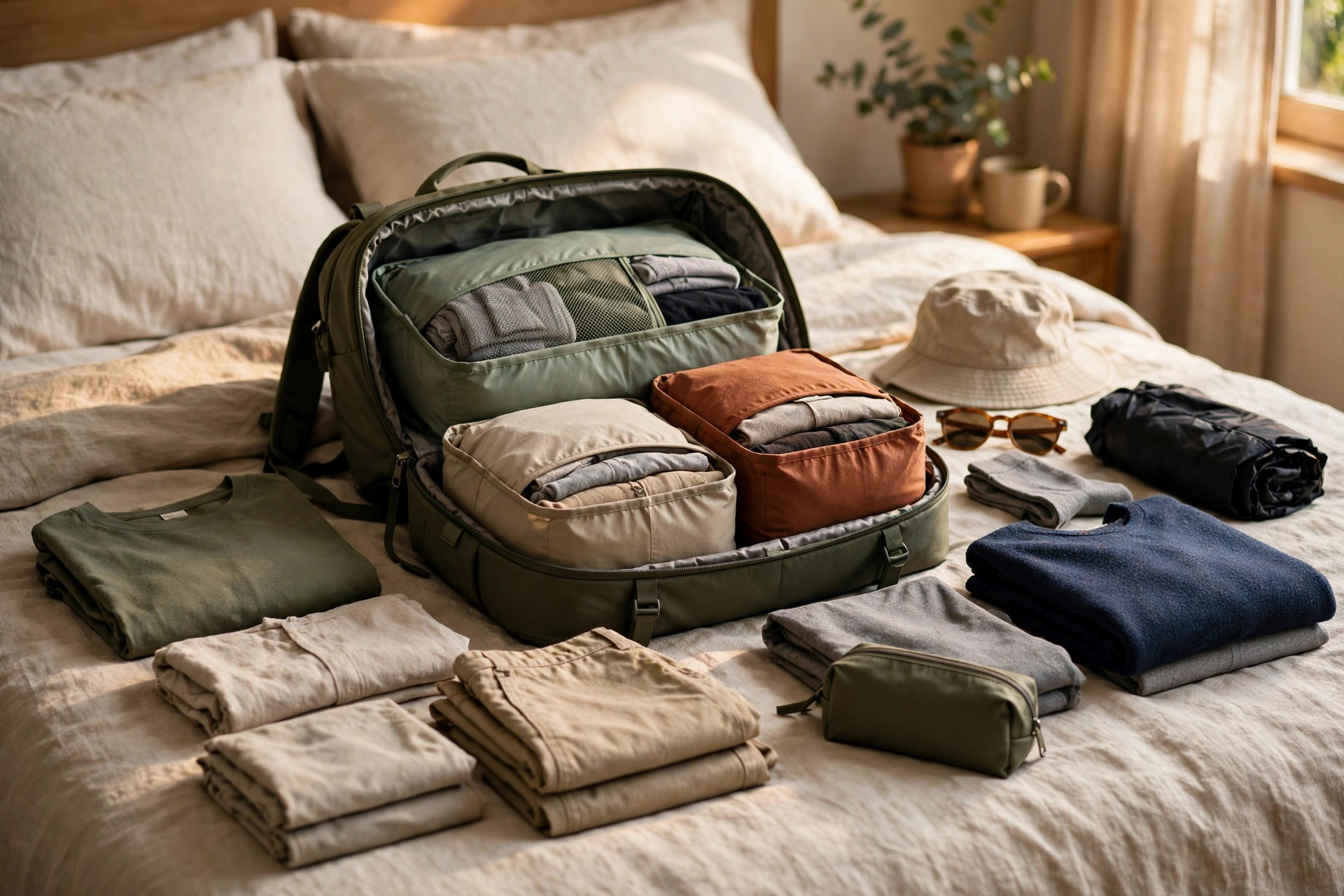
The best travel backpacks swallow a week of clothing, open like a suitcase, and still slide into an overhead bin.
One-bag travel only works if the bag itself does three jobs well: it must pack like a suitcase, carry like a hiking pack, and measure like a carry-on. Most backpacks manage one of the three. We compared the leading designs on capacity, access, harness comfort, and how they survive being dragged through airports, trains, and cobblestone streets. These three are the ones we would buy for different kinds of trips — maximum versatility, maximum organization, or maximum comfort under a full load.
Our Top Picks
- Peak Design Travel Backpack 45L — Best Overall
- Cotopaxi Allpa 35L — Best Organization
- Tortuga Travel Backpack 40L — Best Comfort
1. Peak Design Travel Backpack 45L
Best Overall
SAVEN Score: 4.7 / 5
This is the one-bag traveler's benchmark. It expands from 35 to 45 liters, so it boards as a carry-on when compressed and swallows souvenirs on the way home, and a full-length rear zip gives suitcase-style access to everything inside without digging from the top. Smaller zips reach a laptop, a camera, and quick-grab pockets from almost any angle, while the shoulder straps and hip belt tuck away in seconds for checked-bag mode. The weatherproof recycled shell shrugs off rain, and the whole bag feels engineered rather than merely sewn. At around $300 it is a lot for a backpack, but nothing else here is this versatile.
- Expandable 35L to 45L capacity
- Full rear-panel access to the main compartment
- Weatherproof recycled shell fabric
What we like
- Expands and compresses to match the trip
- Access points from nearly every side
What to consider
- Premium price
- Heavier than simpler rivals when empty
2. Cotopaxi Allpa 35L
Best Organization
SAVEN Score: 4.6 / 5
The Allpa opens flat like a suitcase, and that single design choice makes it the easiest bag here to live out of. Inside, large zippered mesh compartments split clothing, shoes, and small items so thoroughly that packing cubes become optional. The 35-liter size is carry-on friendly on most airlines, the padded hip belt and shoulder straps stow behind the back panel for a cleaner profile, and low-profile grab handles sit on every side for hauling it out of bins and trunks. The shell pairs a tough coated polyester front with ballistic nylon backing. At around $220, it trades a little capacity for organization that genuinely speeds up every unpack.
- Suitcase-style clamshell opening
- Internal zippered mesh compartments
- Stowable hip belt and shoulder straps
What we like
- Built-in organization replaces packing cubes
- Carry-on size with a clean, snag-free profile
What to consider
- 35L is tight for trips over a week
- No dedicated external water bottle pocket
3. Tortuga Travel Backpack 40L
Best Comfort
SAVEN Score: 4.5 / 5
Tortuga builds its 40-liter backpack for one job: carrying a full load through a long travel day without wrecking your shoulders. The harness adjusts for torso length, and the thick, padded hip belt actually carries weight the way a hiking pack's does, instead of dangling as decoration. It opens like a suitcase, includes a padded laptop sleeve and lockable zippers, and is sized to max out common carry-on limits rather than slip under them. The weather-resistant shell fabric shrugs off scuffs and light rain. At around $300, it is the pick for travelers who walk far with everything on their back.
- 40L capacity sized to carry-on maximums
- Padded, load-bearing hip belt
- Adjustable torso-length harness
What we like
- Most comfortable carry with a heavy load
- Uses every inch of the carry-on allowance
What to consider
- Boots a boxier shape than sleeker rivals
- Fewer quick-access pockets for small gear
How to Choose a Travel Backpack
Capacity and dimensions come first. Most airlines cap carry-ons at roughly 22 by 14 by 9 inches, and bags in the 35 to 45 liter range are built to that box. Pick the smaller end if you pack light or fly budget carriers often; pick the larger end if one bag has to cover a week or more. Just as important is the opening: a clamshell or rear-panel design that opens like a suitcase is dramatically easier to pack and unpack than a top-loading hiking pack.
Next, judge the harness like you would on a hiking backpack. If you will walk more than a few city blocks with the bag, look for a padded hip belt that transfers weight off your shoulders and, ideally, some torso adjustability. Finally, check the details that matter at the airport: a padded laptop compartment with its own zip, lockable main zippers, and straps that stow away when the bag goes in an overhead bin or a luggage hold.
Frequently Asked Questions
Is a 40-liter backpack enough for a week?
For most travelers, yes. Forty liters holds roughly a week of clothing if you rewear bottoms, choose versatile layers, and do a small load of laundry on longer trips. Compression straps and packing cubes make a noticeable difference at this size.
Will these backpacks count as a carry-on?
All three picks are designed around common carry-on size limits, but airlines set their own dimensions and budget carriers are stricter. Check your airline's published limits before flying, and compress expandable bags to their smallest setting for the strictest carriers.
Travel backpack or rolling suitcase?
A backpack wins on stairs, cobblestones, crowded trains, and rural travel, and it keeps both hands free. A rolling suitcase wins on smooth airport floors and for travelers who should not carry weight on their back. Many frequent travelers end up owning one of each.